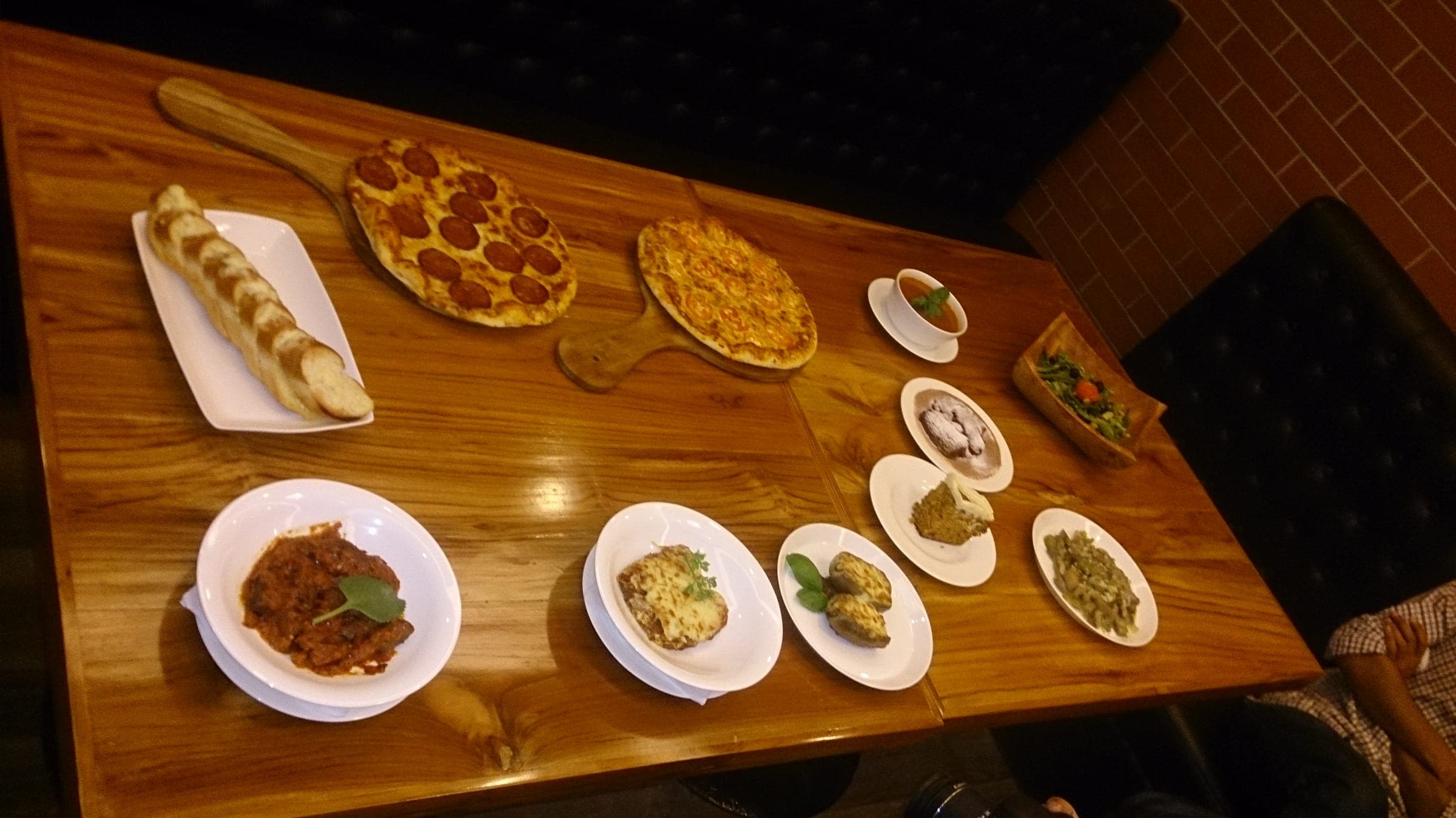
Eating near the crew hotels in Tokyo
Cards are widely taken but not universally, so carry cash, and the table manners that would be rude at home are not rude here.
Japan's tourism authority is blunt that this is still very much a cash-based society and tells visitors to keep cash on them, even while noting that credit, debit and prepaid cards of international brands are generally accepted throughout the country.
Cards fail most often on small transactions. JNTO singles out short distance train and subway fares as the case where a card will not always work, which is the same category of spend as a small independent restaurant.
A Suica or PASMO covers many other forms of public transport, convenience stores and an increasing number of shops and restaurants, but JNTO is clear they cannot be used everywhere. It is the practical middle ground between a card and a wallet of notes.
Cash comes out of the nationwide Seven Bank ATM network in the Seven-Eleven convenience stores, which JNTO says offer screens, receipts and voice guidance in twelve languages when you use a card issued overseas. Japan Post Bank ATMs are the other nationwide option, with the service available in English.
Slurping noodles is not rude, sushi is eaten with the hands, and if chopsticks defeat you the staff may be able to find an alternative, though a traditional place may not have one. Keep your phone on silent mode and avoid speaking on it.
- JNTO: Japan currency exchange, ATMs and banking · checked 2026-09-03
- JNTO: credit cards in Japan · checked 2026-09-03
- JNTO: customs and manners · checked 2026-09-03