
Dubai vs Doha, for crew.
The two guides side by side, the three that cost money or liberty first. Each line is the guide's own sourced answer and opens the section it came from.
The same eight questions
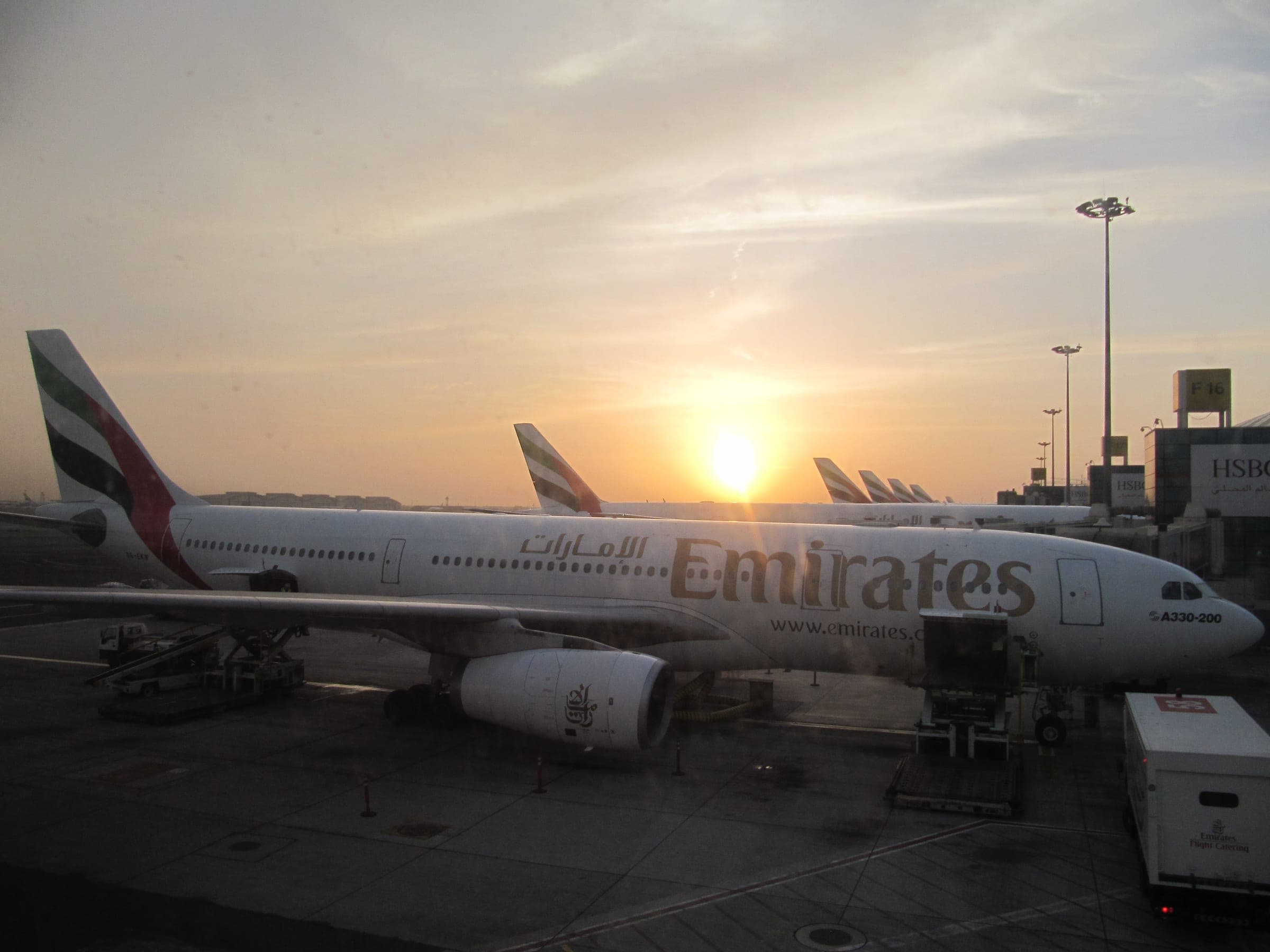
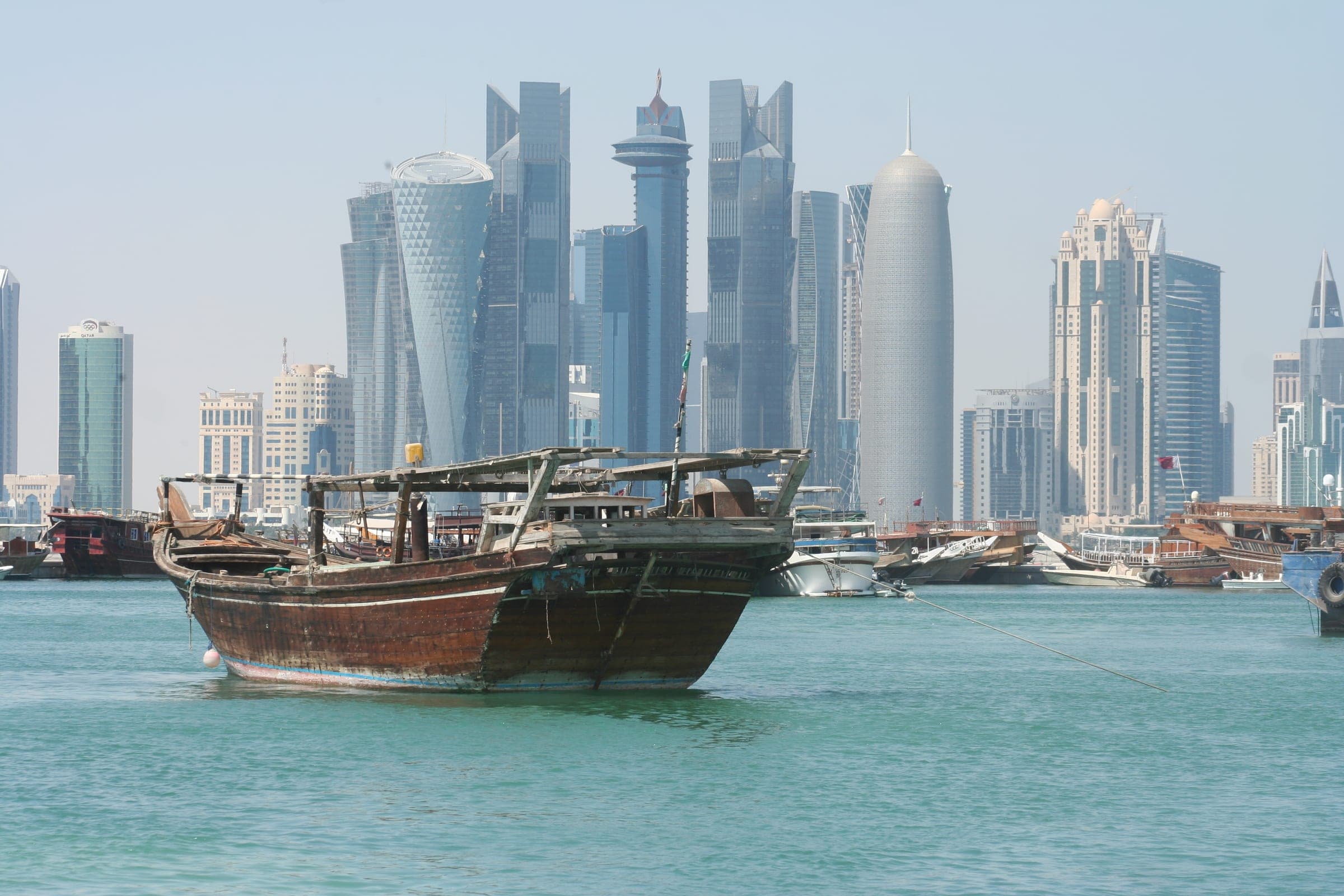
Drinking in public, kissing in public and swearing are all criminal offences, including online.
It is illegal to drink alcohol or be under the influence of alcohol in any public place anywhere in the UAE. The drinking age is 21 in Dubai and Abu Dhabi, and alcohol is prohibited entirely in Sharjah.
Dubai in full →Public drunkenness carries up to six months in prison, and photographing someone without consent can cost you QAR 100,000.
It is illegal to drink alcohol or be drunk in public. The penalty runs to six months' imprisonment or a fine of up to QAR 3,000. Alcohol is sold only at licensed hotels, restaurants and bars, and the drinking age is 21.
Doha in full →Metered RTA taxis from the rank, or the Metro Red Line straight out of Terminals 1 and 3.
Taxis are metered and regulated by the Roads and Transport Authority. The rank is outside each terminal's arrivals hall.
Dubai in full →Karwa taxis from the Taxi Pavilion, or the Metro from the station at Terminal 1.
Karwa, operated by Mowasalat, is the official taxi service. The Taxi Pavilion is at the left-hand end of the arrivals hall.
Doha in full →Careem and Uber both operate legally.
Both apps work and both dispatch licensed vehicles. Careem is the locally dominant one and is generally better supplied outside the tourist areas.
Dubai in full →Uber, Badrgo and Ryde are the only authorised airport pickups; the zone is in the car park via Gate 3, not at the kerb.
Only three ride-hailing operators are authorised to pick up at Hamad International: Uber, Badrgo and Ryde. Pickups are allowed exclusively from the designated ride-hailing location, per the airport operator. Careem is not on the authorised list.
Doha in full →A visitor SIM is registered against your passport and capped at two per network, and an unregistered line is cut off rather than warned.
The rules are federal, not local, so they are the same as Abu Dhabi and Sharjah. The UAE telecoms regulator, TDRA, allows visitors to register a SIM on a passport, or on a GCC national ID for citizens of Gulf Cooperation Council states. Residents register on an Emirates ID.
Dubai in full →Visitor SIM/eSIM on arrival from Ooredoo kiosks in the Arrivals Hall; free terminal-wide wifi (#HIAQatar).
Ooredoo sells a Visitor SIM (physical or eSIM) on arrival: at the Qatar Duty Free store in baggage claim, at kiosks by Exits 2, 3 and 4 in the Arrivals Hall, and online with the eSIM issued instantly. Tiers run 7, 14 or 30 days; the data allowance is local-use only, not valid while roaming.
Doha in full →The number that matters is the overnight low: about 29.7C in summer, so the night never cools down.
Dubai's own government media office puts the summer average high at around 41.8C, with overnight lows around 29.7C. The low is the figure to plan against. A layover built around an early run or a walk before report does not get a cool window in July the way it would almost anywhere else on the network.
Dubai in full →Extreme heat June-Sept (45C-plus, humid); mild Nov-Feb; a legal midday outdoor-work ban runs 1 June to 15 Sept, 10:00-15:30.
June to September is hot desert summer: temperatures can reach 45C or higher, with humidity spiking to 40-60%. November to February is mild, averaging 15-20C. The comfortable outdoor windows are roughly April to early May and late October to late November.
Doha in full →Alcohol is legal in licensed venues and illegal everywhere else, and in Ramadan the daytime rules extend to your car.
You do not need a personal licence to drink in a licensed venue. Hotels, restaurants and bars that hold a licence can serve you, and most crew hotels do. What needs a licence is drinking at home, which is a resident question rather than a layover one.
Dubai in full →Souq Waqif is the traditional eating quarter (on the Gold Line metro); Katara Cultural Village is the beachside restaurant cluster.
Souq Waqif, on the banks of Wadi Musheireb, is the traditional-market food area: everything from sit-down restaurants to street vendors, plus roadside cafes doing Arabic coffee, fresh juices and shisha into the late evening. It has its own metro stop, Souq Waqif on the Gold Line.
Doha in full →VAT is 5% and refundable over AED 250, and the authority's own refund terms are better than the government portal still says.
VAT is 5%. The tourist refund scheme has a minimum eligible spend of AED 250 excluding VAT per transaction.
Dubai in full →Souq Waqif covers the category buys: gold jewellery, Arabic spices and dates, and the Falcon Souq.
Gold jewellery is the signature purchase at Souq Waqif's gold shops, from intricate head pieces and multi-tiered necklaces to everyday items; the tourism board notes gold jewellery remains widely popular throughout the Middle East.
Doha in full →No authority publishes a tipping norm for Dubai, and the percentages already on your bill are not tips.
No UAE or Dubai government source publishing an expected tipping rate was found. Every figure in circulation is a guide's opinion rather than a rule, so none is stated here. Tipping is discretionary and you are not breaking anything by not doing it.
Dubai in full →Service charge is usually already in the bill; 10-15% on top is appreciated, not expected; carry cash for it.
Most hospitality outlets in Qatar include a service charge in the bill, per the national tourism board, so check before adding anything.
Doha in full →